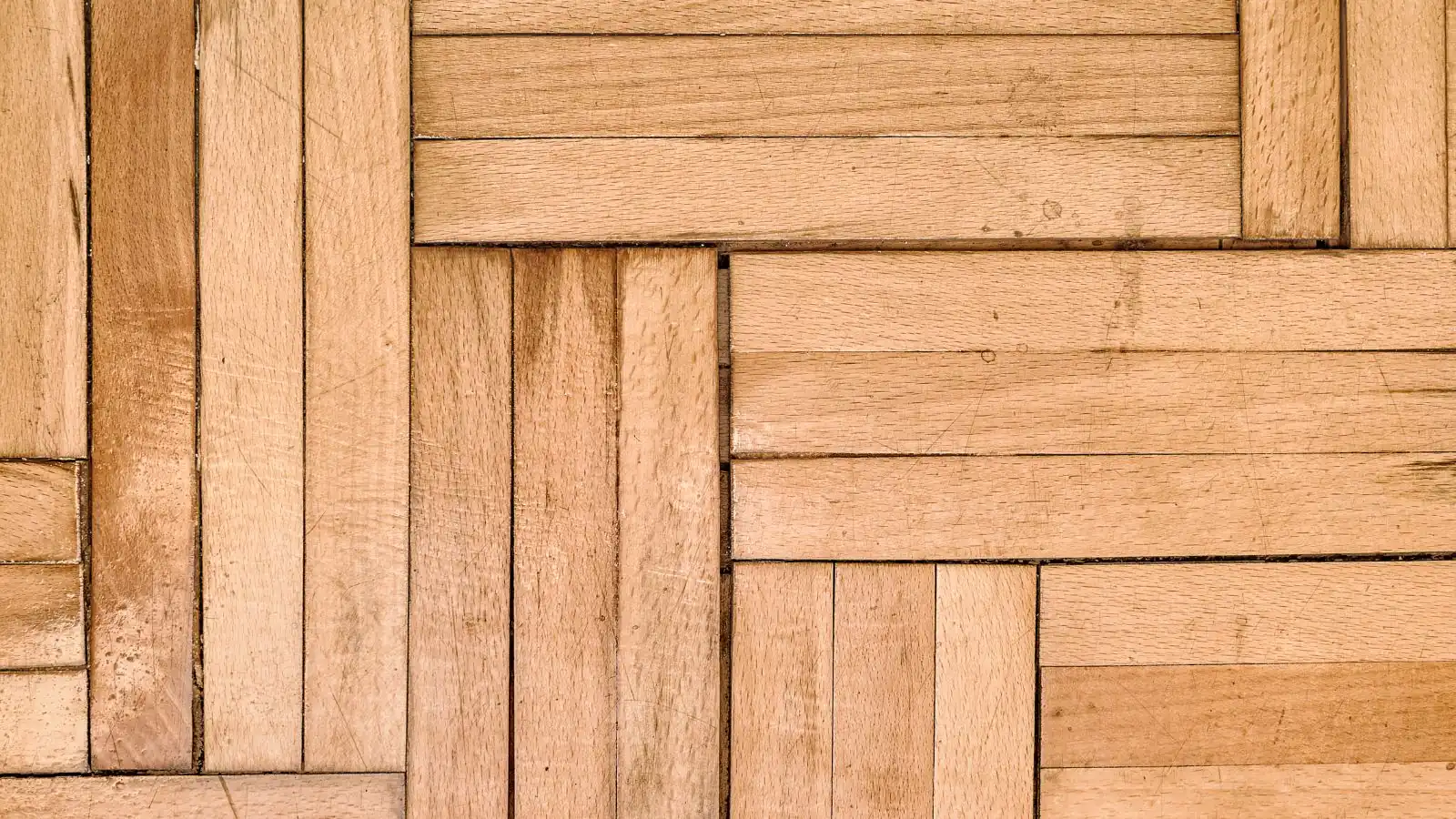
Hardwood is a natural material that swells when wet and shrinks as it dries. If boards edge up, lift or turn dark, call (630) 580-6401 and describe what you see.
Hardwood cupping, crowning and buckling
| Sign | What it means | Usual path |
|---|---|---|
| Cupping | Edges higher than centers, moisture from below | Dry slowly, sand later if boards flatten |
| Crowning | Centers higher than edges, often after cupping was sanded early | Wait for drying before sanding |
| Buckling | Boards lift from the subfloor | Often replaced, check subfloor |
| Black staining | Long-term moisture or contamination | Boards usually replaced |
| Gaps between boards | Floor shrinking after drying | May recover if dry |
Can the floor be saved?
Floors caught within a day or two, with clean water and no flooring glued directly to slab, often have a good chance of drying in place. Mats and tenting pull moisture from boards through the surface and from the subfloor below.
Floors exposed to contaminated water, standing water for days or water from below such as a slab or basement leak may not recover. The honest answer comes from moisture readings and floor type, not from how the floor looks on day one.
Many older Downers Grove homes have original strip oak floors over plank subfloor, which can dry well if given time. Newer engineered floors have thin wear layers and often delaminate when wet, so these floors are less forgiving.
Steps for drying a wood floor
Stop the water and extract
Surface water is removed to limit absorption.
Measure the wood and the subfloor
Readings show whether moisture is above or below the board.
Set drying mats or tenting
Specialized equipment pulls moisture out slowly to reduce splitting.
Monitor daily
Readings are repeated, and equipment is adjusted so boards dry without cracking.
Wait before sanding
Boards need to settle for a time before sanding and refinishing.
If the damage came from a basement or crawl space below, see crawl space water damage and basement water damage cleanup for moisture sources under floors.
Cost factors
Floor type
Solid, engineered and laminate floors behave differently.
Water category
Contaminated water usually means replacement.
Time wet
Boards wet for days are less likely to flatten.
Subfloor
Saturated subfloor adds drying time and sometimes removal.
Refinishing
Sanding and finishing are separate and happen after drying.
Insurance note
Hardwood replacement can be a large part of a claim. Sudden leaks are often covered, while long-term moisture often is not. Check your policy and ask your insurer, and keep photos of the floor before and during drying.
What not to do to a wet wood floor
- Do not sand or refinish until readings show the wood is dry.
- Do not place heavy rugs or plastic over wet boards.
- Do not use high heat or a heat gun, which can split boards.
- Do not cover with new flooring over moisture.
- Do not rely on how the surface feels, since moisture can sit in the subfloor.
Rushing a wood floor makes it worse. Boards that dry too fast can crack, and boards that are sealed in damp can cup again or grow mold.
Patience also pays at the repair stage. Many floors recover enough for light sanding after drying, which keeps the original boards and saves replacement cost.
Floors over basements and crawl spaces
Wood floors above a damp basement or crawl space can cup even without a leak above them. If cupping appears after a wet season, address the moisture below before treating the floor. Drying above and below at the same time is often the best approach.
Questions to ask before you replace boards
- What are the moisture readings in the wood and the subfloor now?
- Is the floor stable, or still moving week to week?
- Can a few boards be replaced and blended, or does the whole room need refinishing?
- Is the finish itself damaged, or only the boards below it?
Spot replacement works best when the rest of the floor is flat and dry. A flooring contractor can then blend new boards with old.
If you have leftover boards from the original installation, keep them. Matching species, width and finish is much easier with spare pieces.
ANSI/IICRC S500 is the published standard that defines drying goals for materials such as wood flooring. Daily moisture readings are how a crew shows that a floor has reached its goal.
Older homes in the Prince Pond area often have original wood floors, so tell the dispatcher what you have.
Floor edges lifting?
Call and we will measure before any boards are pulled.
The same hardwood work is available in Clarendon Hills and Darien.
Frequently asked questions
Will cupped floors flatten on their own?
Often they flatten as moisture drops, but this takes weeks and should not be rushed. Sanding too early can leave floors crowned.
Is refinishing needed after drying?
Often yes if boards are stained, cupped or gapped. Refinishing is done after readings are in range.
Can you dry wood floors over a basement?
Yes, from above and below when needed. Basement air movement and dehumidification help pull moisture from the underside.
When do hardwood floors have to be replaced?
When boards buckle, split, stain black or when readings stay high despite drying. Contaminated water also leads to replacement.
How long does hardwood drying take?
It is measured in days to weeks depending on thickness and moisture load. The crew reads moisture and adjusts the plan.
Does engineered flooring survive water?
Less often than solid wood. Thin wear layers and glued construction tend to delaminate.