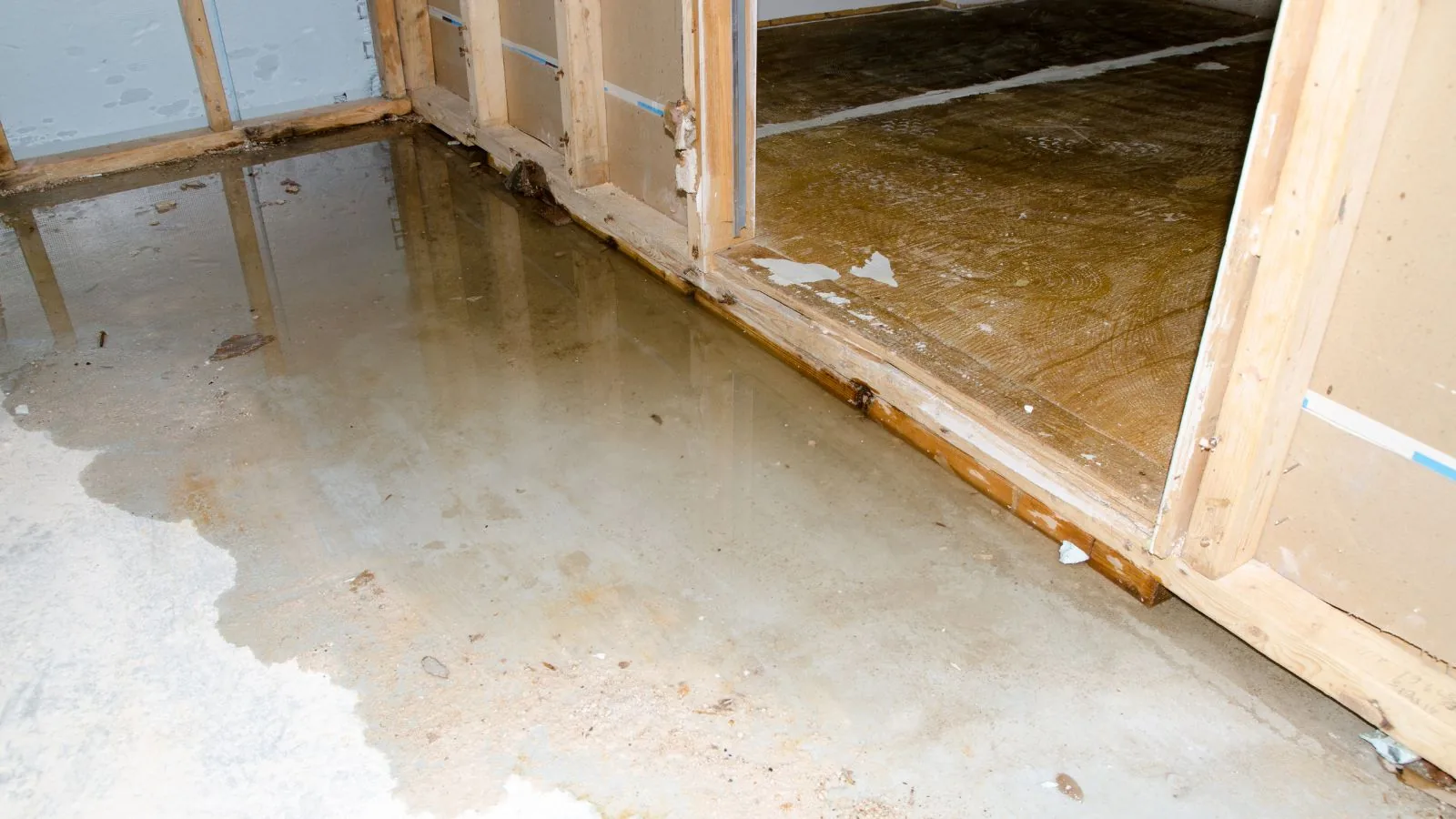
If a pipe, sprinkler line or roof has let water into your building, call (630) 580-6401. The line runs 24/7 and sends a commercial crew, same day when available, including nights, weekends and holidays.
While you wait, shut off the water at the building main if you can, protect electronics and inventory, and photograph what you see.
Business water loss: first moves
Priorities for the first hour
- Stop the source at the main or the nearest shutoff and tell the building manager.
- Shut off power to wet areas only from a dry panel, and keep staff out of standing water.
- Move computers, files and inventory off the floor and away from dripping ceilings.
- Photograph damage and note the time the loss was discovered.
- Call the 24/7 line so a crew is on its way while you notify your insurer and landlord.
Downers Grove commercial areas and what they share
Downers Grove has a walkable downtown near the Main Street train station, retail along Ogden Avenue (US 34), medical and education sites such as Advocate Good Samaritan Hospital and Midwestern University, and office and light commercial space on the Butterfield Road corridor.
These building types share a need for fast, quiet restoration. A medical office or restaurant cannot reopen until the area is dry and clean, so crews plan around occupied floors, loading docks and neighboring tenants.
| Building type | Common source | Special concern |
|---|---|---|
| Office suite | Supply line, roof leak, sprinkler head | IT equipment, shared ceilings, tenant boundaries |
| Restaurant or retail | Dishwasher line, grease trap backup | Food safety, customer area, inventory |
| Medical or dental | Plumbing failure, sewer backup | Clean and dirty zones, patient records |
| Multi-unit building | Unit above, riser leak | Several units, owner and tenant coordination |
| Warehouse or light industrial | Roof drain, sprinkler line | Large floor area, pallets, racking |
Electrical and contaminated water cautions
Commercial buildings carry higher electrical loads and often shared panels. Do not enter wet areas with energized equipment, and let the dispatcher know if the water came from a drain or sewer line.
If the water is contaminated, see sewage backup cleanup for how it is contained.
How a commercial job is scheduled
Triage call
The dispatcher gets the building type, hours, access and what has been shut off.
Extraction and protection
Water is removed and equipment, inventory and records are protected or moved.
Assessment
Moisture mapping covers floors, walls, ceilings and shared spaces.
Drying plan
Equipment is placed to reduce noise in occupied areas and keep egress clear. See structural drying and dehumidification.
Reporting
Daily readings and a written scope support your insurer and landlord.
What shapes the cost
Building size and layout
Open floors and multiple suites change equipment counts.
Occupancy and hours
Working around business hours may require off-hours labor.
Materials
Commercial carpet tile, ceiling tile and metal studs respond differently.
Water category
Clean and contaminated water follow different steps.
Business interruption
Downtime costs sit outside restoration and may be a separate insurance item.
Insurance note
Commercial property policies and tenant leases vary widely. Read your policy, review your lease for who handles building water damage, and call your insurer and landlord early.
Information that speeds up a commercial dispatch
- Building address, floor and suite, and the best contact on site.
- Hours of operation and when crews can enter.
- The water source and whether it has been shut off.
- Whether the water has reached electrical panels, server rooms or other tenants.
- Your insurer and property manager, if they have been contacted.
Having these details ready lets the dispatcher match the crew to the building and avoid repeat calls. If you do not know something, say so, because the crew can find it on site.
Tenants in multi-unit commercial buildings should also tell the landlord right away. Leases often decide who calls the restoration company and who pays for common areas, and an early call avoids duplicate crews.
Commercial drying also follows ANSI/IICRC S500, the published standard for professional water damage restoration. Documentation of moisture readings under that standard is what tenants, landlords and insurers usually ask to see.
Shops, offices and apartment buildings in Downtown Downers Grove and along the Fairview corridor face the same question: how many units or spaces did the water reach?
Water loss at the shop or office?
The line is open 24/7 and can dispatch a commercial crew.
Homes connected to businesses, such as mixed-use buildings, may use the flood damage restoration page as well. Commercial calls also come from Oak Brook and Willowbrook.
Frequently asked questions
Do you handle commercial water damage emergencies at night or on weekends in Downers Grove?
Yes. The line is open 24/7, which matters for businesses that discover a loss after closing. Crews are dispatched after hours with same-day response when available.
Can you work around our business hours?
In many cases yes. The dispatcher asks about hours and access, and the crew plans equipment placement and noise around occupied areas.
Do you work with landlords and property managers?
Yes. Written scopes and daily readings help owners, tenants and insurers see what was done.
Will you protect our inventory and records?
Crews can move or elevate items and cover what cannot be moved. Specialty record recovery is a separate service.
Can we keep operating during drying?
Often parts of a building stay in use. The crew will say which areas need to be closed based on moisture and safety.
Does your pricing differ from residential?
Scope and price are explained before work starts. Commercial jobs usually involve more area and equipment, so the numbers are different.