Why is my house still damp after the water is gone?
Visible water is the easy part. What lingers is moisture trapped in drywall, framing, subfloor and insulation, which shows up as a musty smell, a cold feel, warped trim or paint that bubbles.
Fans and open windows help at the surface but rarely dry wall cavities or concrete. Call (630) 580-6401 if damp areas persist, and a technician can take readings and explain the options.
How structural drying works
Drying is a controlled process, not just running fans. Air movers push air across wet surfaces to lift moisture, and dehumidifiers pull that moisture out of the air so it does not settle somewhere else. ANSI/IICRC S500 describes the process: set a drying goal, measure, monitor and adjust.
The point is to reach the dry standard for each material, which is why readings are taken at the start and on later visits. A single reading on day one does not show whether the job is complete.
| Equipment | Purpose | Where it is used |
|---|---|---|
| Air movers | Move air across surfaces to speed evaporation | Floors, lower walls, carpet |
| Dehumidifiers | Remove water vapor from the air | Whole affected area |
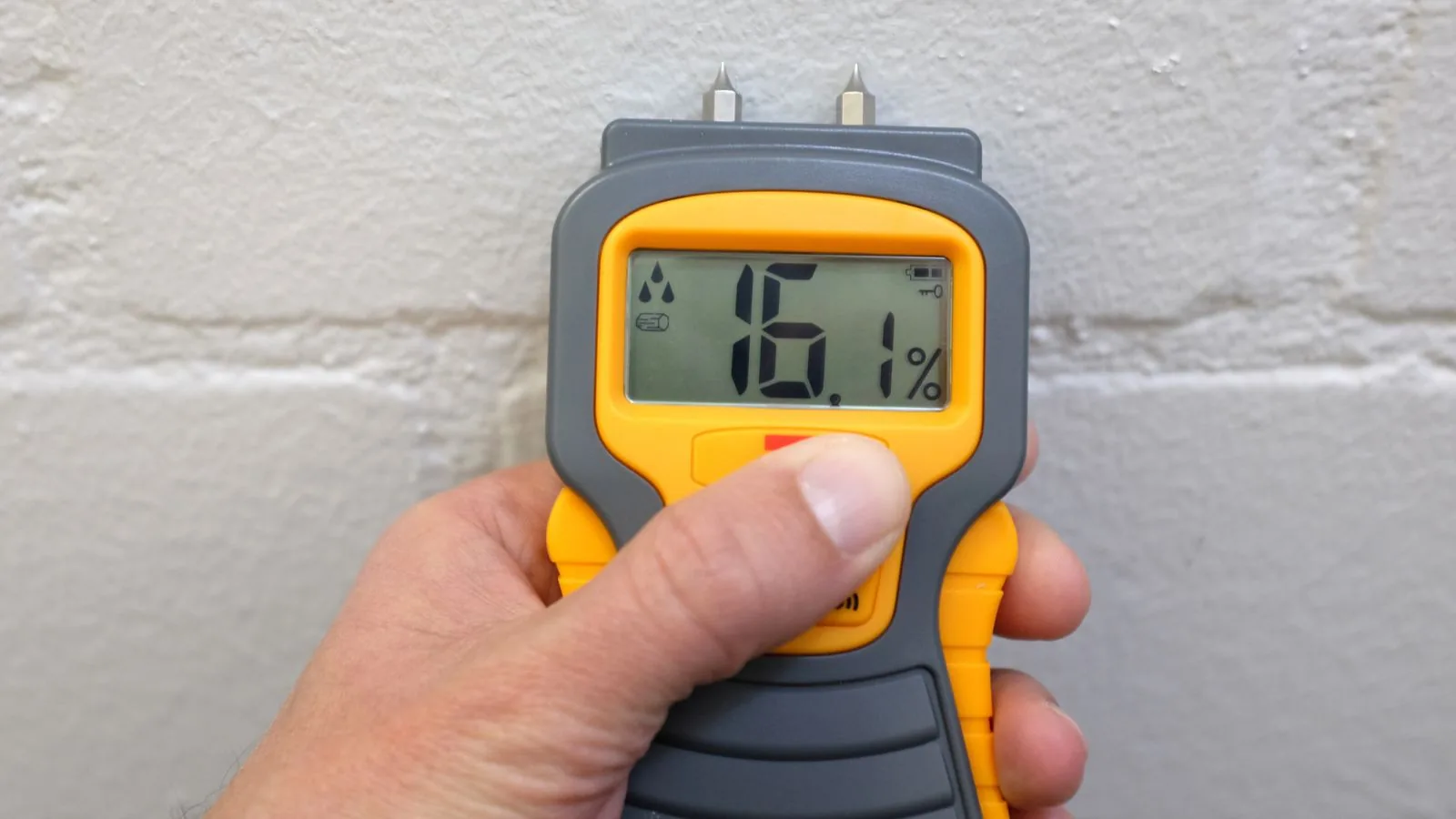
| Moisture meters | Measure moisture in materials | Drywall, wood, concrete |
| Thermal camera | Shows temperature differences from moisture | Walls, ceilings, floors |
| Floor drying mats | Pull moisture from hard floors | Wood, laminate, some tile |
Questions about drying equipment
Homeowners often ask why equipment is loud, why it runs for days and why windows should stay closed. The equipment is sized to the volume of the space, and closed windows let dehumidifiers work against a controlled amount of moisture instead of outdoor air.
Power use rises while units run, and your crew can estimate how many units are needed for your layout. Do not turn units off or move them without calling, since placement matters.
When drying is complete
Baseline readings
The crew records moisture in every wet material and in unaffected reference areas.
Equipment set
Air movers and dehumidifiers are placed to match the volume and layout.
Daily checks
Readings are repeated and equipment is moved or removed as materials dry.
Goal reached
The job ends when readings are in the dry range, not on a fixed number of days.
Restoration is not waterproofing
Drying removes water that already got in. It does not stop water from entering again, and it does not seal a foundation or fix a leak at its source.
If water keeps returning, a plumber or drainage contractor should address the cause. We can explain what readings suggest about where moisture is coming from.
What decides the length and cost of drying
Materials involved
Concrete and thick framing dry slower than carpet or drywall.
Water category
Contaminated water requires removal of some materials before drying.
Volume of space
Larger or taller rooms need more equipment.
Starting moisture
Higher readings take more days.
Weather and humidity
Summer humidity can lengthen drying even with equipment.
Insurance note
Insurers often ask for moisture readings and equipment logs. Ask your insurer what they need, and request a copy of the readings from the crew for your records.
What daily monitoring looks like
On each visit, a technician checks the same spots and records the numbers. The pattern matters more than any single reading, since falling numbers show the plan is working and flat numbers mean equipment needs to move.
Wall cavities, floor transitions and corners dry slowest, so those spots get the most attention. When readings reach the range of unaffected reference materials, the equipment comes out.
This record is also what your insurer or a landlord may ask for later. A drying job without logged readings leaves no proof it was finished.
In humid summer weeks, drying can take longer even with equipment, because the air that dehumidifiers treat is already moist. Expect the crew to adjust the number of units and the schedule as conditions change.
What to do before help arrives
- Keep people out of rooms where drywall or ceilings sag.
- Do not cut into wall cavities until you know where wires and pipes run.
- Do not run household fans if the water was dark or came from a sewer.
- Open no more than the doors the crew asks about, so humidity stays under control.
Want readings on your damp rooms?
Call and we will plan the visit and explain the equipment.
Drying often follows water extraction and sometimes mold remediation if growth is found. Coverage includes Willowbrook and Darien.
Frequently asked questions
How long does structural drying take?
It depends on materials, water category and humidity. The job ends when readings reach the dry standard, which the crew checks on each visit.
Why does the equipment have to run so long?
Moisture inside framing and concrete leaves slowly. Shutting equipment off early leaves moisture that can cause odor or damage.
Can I open windows to help?
Usually not. Closed windows let dehumidifiers pull moisture out of a controlled space instead of fighting outdoor air.
Will drying stop mold?
Drying removes the moisture that mold needs, which is why speed matters. If growth is already present, remediation follows ANSI/IICRC S520.
How many fans and dehumidifiers will I need?
The count depends on cubic footage and the moisture load. The crew sizes equipment on site after taking readings.
Do I get a copy of the moisture readings?
Yes, ask for them. They help with insurance and confirm the job reached the target.