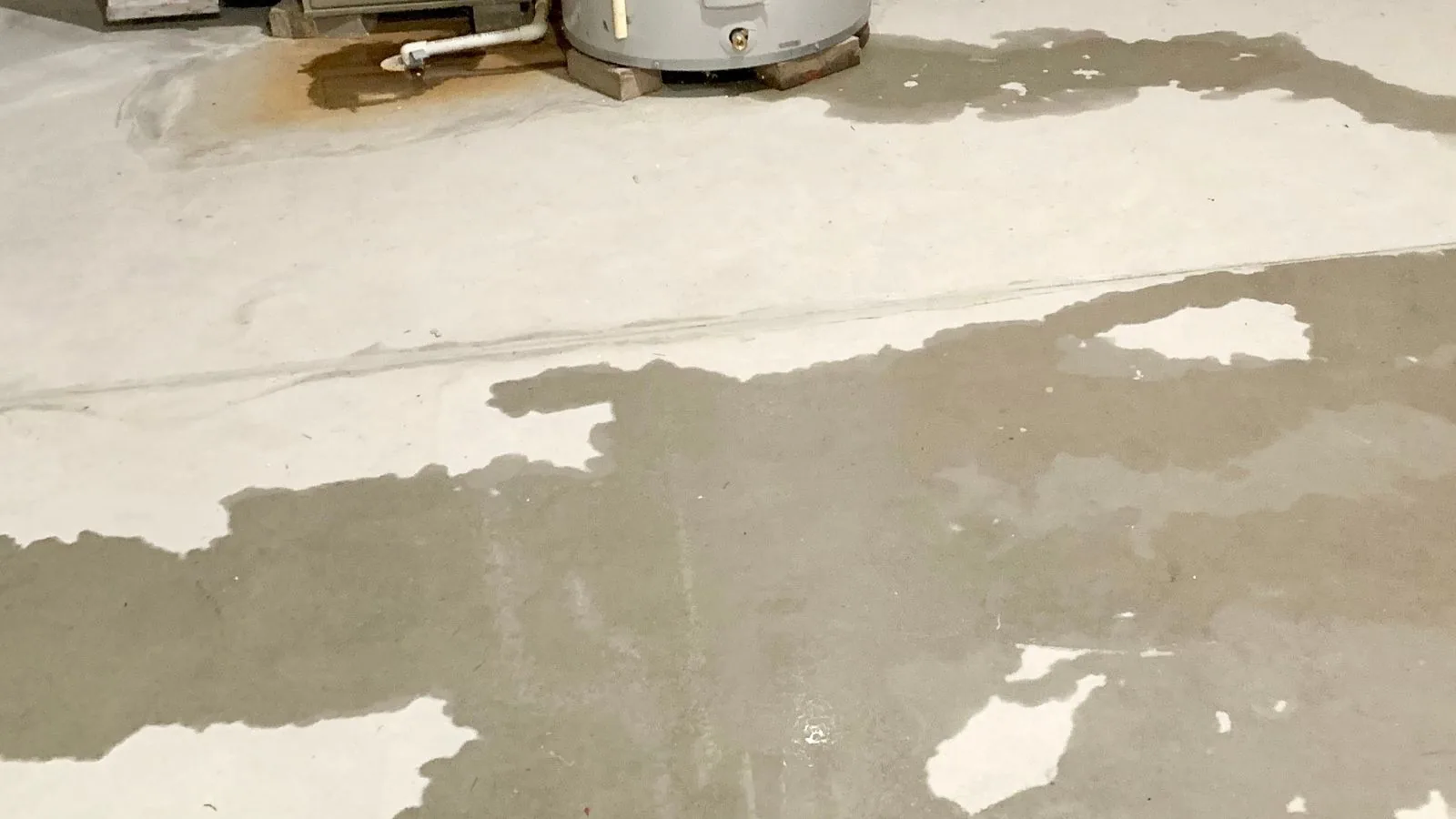
If your basement is taking on water, keep out of it while the panel, furnace or outlets could be affected. Call (630) 580-6401 and the 24/7 line will send a crew, same day when available, including nights and weekends.
Move what you can upstairs, and do not run appliances that are standing in water.
Why basements flood
Basements in the Downers Grove area face several pressures: heavy rain, a high water table, aging foundations, sump pump failure and sewer backups. About 64 percent of local homes were built in 1979 or earlier, so many have original foundations and drain tile.
The Village has adopted stormwater and sump discharge rules, and the Downers Grove Sanitary District serves most of the village for sewer service. Knowing which pipe or pump failed helps decide who fixes the cause, while our crew handles the water and drying.
Basement safety
Basements often hold the electrical panel, furnace, water heater and gas lines. If water is deep enough to reach any of them, leave the area and tell the dispatcher.
If the water is dark or smells of sewage, treat it as contaminated and keep everyone out.
| Source | Signs | Next step |
|---|---|---|
| Groundwater or window well | Water at wall base or window after rain | Pump out, dry, call a drainage contractor |
| Sump pump failure | Pit overflows or pump silent | Pump out, plumber or pump contractor |
| Plumbing line | Water without rain | Plumber, see burst pipe water damage |
| Sewer backup | Dark water from floor drain | Sewage backup cleanup |
| Storm overflow | Water after intense rain | Storm water damage cleanup |
Basement cleanup in stages
Pump out
Water is lowered in stages to avoid wall stress.
Remove wet contents
Furniture, boxes and carpet are cleared and sorted.
Cut and remove materials
Wet drywall, insulation and pad are removed to above the wicking line.
Dry
Dehumidifiers and air movers run with daily readings. See structural drying and dehumidification.
Prepare for repair
Mold checks and rebuild planning follow once readings are stable.
What affects the cost
Water type
Clean, gray or contaminated water changes protocol.
Finished versus unfinished
Carpet, drywall and trim add scope.
Depth and area
More water means more pumping and equipment.
Contents
Storage items and furniture add sorting time.
Drainage repair
Sump, grading and waterproofing are separate trades.
Insurance note
The Illinois Department of Insurance says typical homeowners exclusions include sewer backup and sump pump failure unless an endorsement was added, and floods need separate coverage. Check your policy and ask your insurer what applies to your basement water.
Sorting belongings after basement water
Basements hold storage boxes, holiday decorations and furniture. Sort items into three groups: things that can be dried and cleaned, things to photograph and discard, and papers or photos that need special care.
Cardboard boxes wick water and grow mold quickly, so move contents into plastic bins. Wet upholstered furniture is often discarded, while solid wood furniture can often be cleaned and dried.
Finished versus unfinished basements
| Space | Main concern | Typical work |
|---|---|---|
| Unfinished concrete | Slow drying slab and stored items | Pump out, clean, dehumidify |
| Finished with carpet | Pad, drywall and trim | Remove pad, cut drywall, dry framing |
| Finished with laminate | Swelling and trapped water | Remove floor, dry subfloor |
| Walkout basement | Door thresholds and grading | Dry and check entry points |
Walkout basements and those with large windows may need additional checks at doors and sills. Drying also covers the bottom plates of walls, where moisture can sit unseen.
After the cleanup: preventing the next event
Once the basement is dry, test the sump pump, clear window wells and extend downspouts away from the foundation. Consider a battery backup for the pump, since storms often knock out power at the same time. Ask the Village which rules apply to sump discharge at your address.
If the problem was a sewer backup, ask the Downers Grove Sanitary District or your plumber about backflow prevention. The District lists a cost reimbursement program for overhead sewers or backflow prevention on its website.
The published industry standard for professional work, ANSI/IICRC S500, tells crews to identify the water category before choosing what to remove. A basement can move from clean water to contaminated water quickly if it stays wet.
Storm water in a basement works differently from a pipe failure. If you are in the Deer Creek area, the local page explains what the Village drainage project did and did not address.
Basement taking on water?
Call the 24/7 line and ask what to move first.
Water that reaches carpet is covered in carpet water damage restoration. Basements in Darien and Clarendon Hills follow the same process.
Frequently asked questions
Do you handle basement flooding at night or on weekends in Downers Grove?
Yes. The line is open 24/7, and storms often hit overnight. After-hours dispatch is available with same-day response when available.
Do I need to wait for the rain to stop?
Not to call. Crews can start when it is safe to enter and the electrical risk is handled.
Will finished basement drywall have to be removed?
Often at least the bottom section. Drywall wicks water upward and cannot always be dried in place.
Does a sump pump failure count as flood damage?
It is usually a separate cause of loss and often needs an endorsement. Ask your insurer.
How long does drying a basement take?
It depends on depth, materials and humidity, and concrete dries slowly. Readings decide when it is finished.
Can you stop my basement from flooding again?
No. Restoration cleans and dries. A drainage or waterproofing contractor addresses the cause.