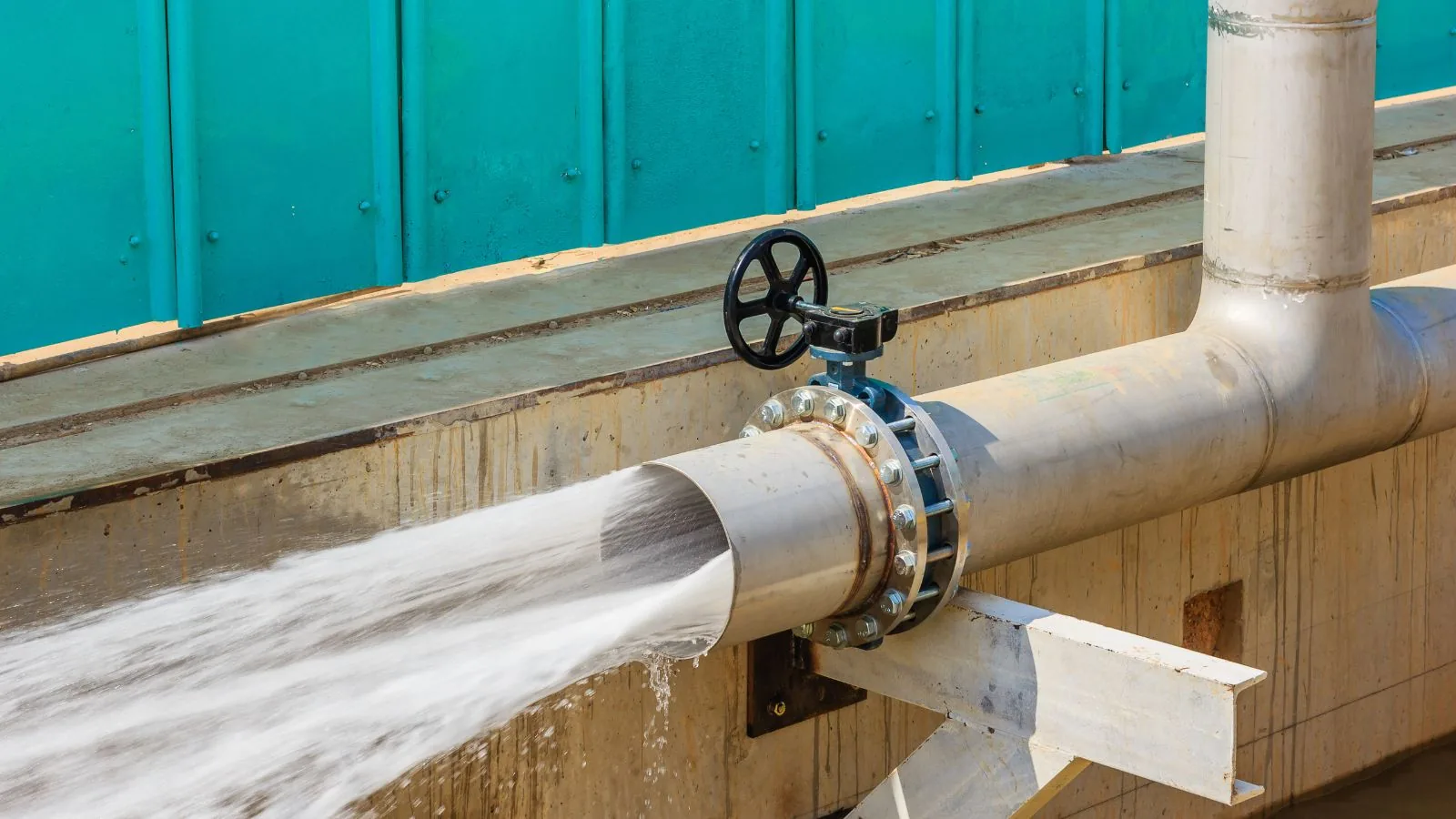
If a pipe has burst, shut off the main water valve first, then call (630) 580-6401. The line runs 24/7 and sends a burst pipe crew with same-day response when available.
Open a faucet on the lowest level to drain the line, and move electronics and papers out of the wet area.
First five minutes after a pipe bursts
What to do while help is on the way
- Close the main shutoff, usually near where the water line enters the basement or utility room.
- Turn off the water heater power or gas supply if the tank is draining or the pipe feeds it.
- Switch off breakers for wet rooms only if you can reach the panel on dry ground.
- Photograph the pipe, the water and damaged items before anything is moved.
- Open cabinet doors under sinks and pull furniture off wet carpet.
Do not use outlets or appliances that sit in or near spreading water. If a ceiling is bulging with trapped water, stay out from under it and tell the dispatcher so the crew can plan a controlled release.
Where burst pipe water goes
Water from a pressurized line moves faster than a slow drip and often travels inside the wall cavity before it shows. It can run down along studs into the floor below, soak insulation, and pool above a ceiling until the drywall sags.
In Downers Grove, a large share of houses were built before 1980, so homes with original copper, galvanized or mixed plumbing are common. Mixed systems tend to fail at old joints and fittings, which means checking the wall on both sides of a break rather than only where the water is visible.
| Pipe location | What gets wet | What the crew checks |
|---|---|---|
| Basement ceiling run | Joist bays, insulation, finished ceiling below | Moisture at the floor above and in the sill area |
| Kitchen or bath wall | Drywall, cabinet backs, subfloor edge | Both sides of the wall and the cabinet toe kick |
| Second floor line | Ceiling below, light fixtures, wall cavities | Ceiling sag and fixture boxes, see ceiling water damage repair |
| Water heater connection | Utility floor, nearby finished walls | Related steps in water heater leak cleanup |
Repair plumbing first, then restore the structure
A plumber fixes the pipe and our crew handles the water. Both are needed, and the order matters because drying a house with a leaking line only restarts the problem.
After the break is repaired, the crew removes water, opens wall sections where moisture is trapped, and sets drying equipment. When walls and ceilings must be cut open, see wall and drywall water damage repair for how cut-outs and replacement are handled.
What affects the cost of burst pipe cleanup
How long the water ran
Minutes of flow mean a spot repair. Hours of flow often reach several rooms and the level below.
Materials affected
Insulation, drywall and carpet pad are removed more often than hardwood or tile.
Wall and ceiling cut-outs
Opening cavities adds labor but keeps moisture from being sealed inside.
Drying duration
Wet framing and subfloor need more days than surface dampness.
Rebuild scope
Replacement of drywall, paint and flooring is scoped separately from the emergency work.
Insurance note
A sudden pipe burst is the kind of event homeowners policies often cover, while damage from a leak that went unnoticed for weeks often falls outside coverage. Read your policy or ask your insurer. Keep the broken pipe section if the plumber removes it.
Pipe burst after hours?
A dispatcher answers around the clock and can walk you through the shutoff.
Common questions about burst pipes
Burst pipes in winter are often a freeze event, covered on the frozen pipe water damage page. Summer bursts usually come from age, pressure surges or a failed fitting.
For homes in nearby towns, the same crew coverage extends to Clarendon Hills and Willowbrook.
Frequently asked questions
Do you handle burst pipe emergencies at night or on weekends in Downers Grove?
Yes. The line is open 24/7, including holidays, so a pipe that fails at midnight gets a crew dispatched with same-day response when available. After-hours calls go to the on-duty dispatcher.
Where is my main water shutoff?
It is usually in the basement or a utility closet where the supply line enters the house, often with a round or lever handle. Some homes also have a curb stop outside that the water utility can close.
Should I call a plumber or a restoration company first?
Do both. Stop the water, call the plumber for the pipe, and call us for water removal and drying. The two jobs run side by side.
Can I turn the power off if water is near the panel?
Only if you can reach the breaker without standing in water. If the panel itself is wet, leave and call the dispatcher and the electric utility.
Will the ceiling need to come down?
Not always. A sagging ceiling holding trapped water is cut to release it, while a damp but firm ceiling can sometimes be dried in place with moisture checks.
How soon after the break should drying begin?
As early as possible. Drying starts once bulk water is out, and the target is to bring wet materials back to dry standard before they develop odor or surface mold.