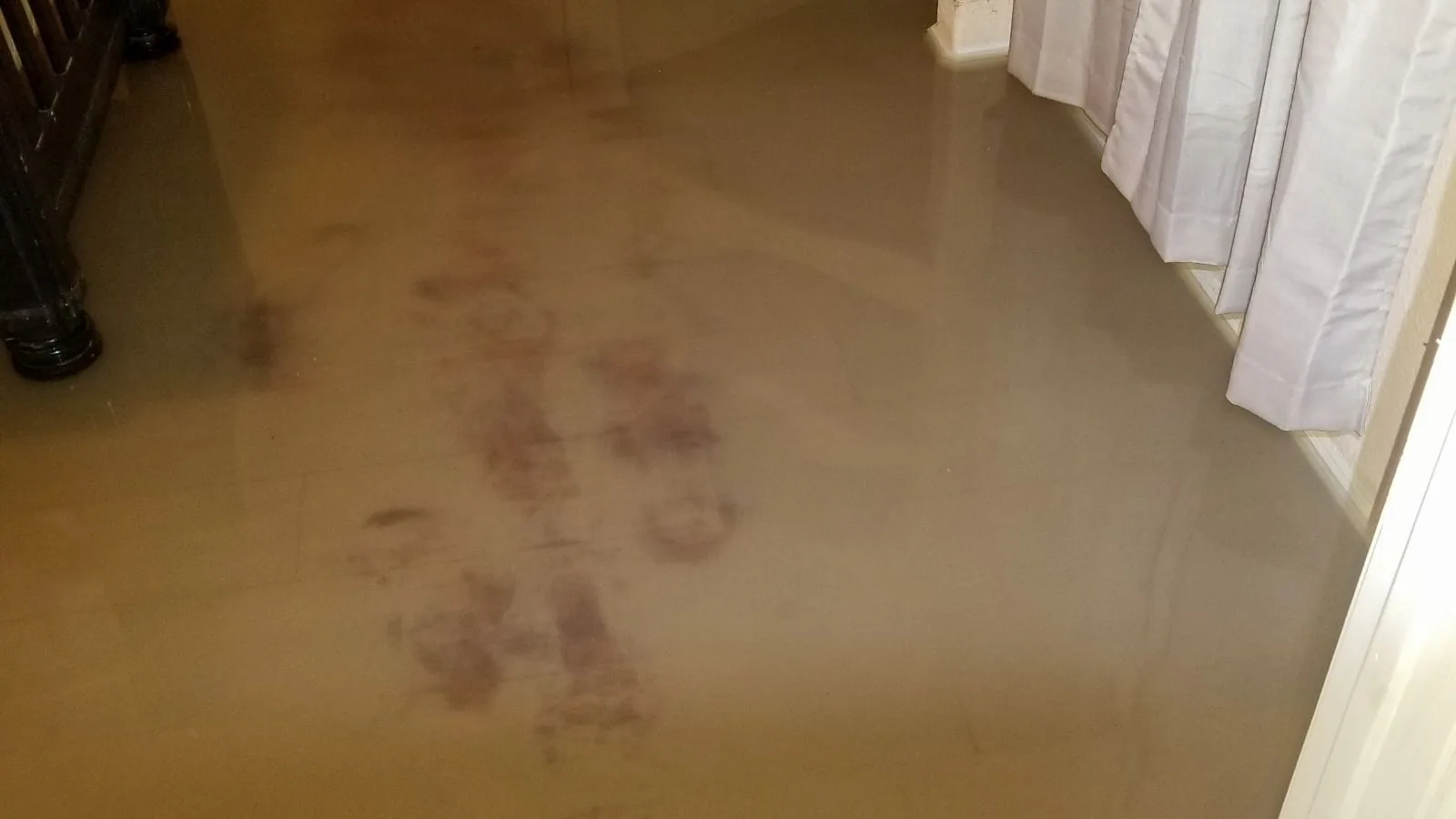
A carpet that feels wet underfoot is usually soaked through to the pad. Call (630) 580-6401 and describe the source of the water, since clean and contaminated water lead to different outcomes.
Save the carpet or replace it?
| Situation | Likely outcome | Why |
|---|---|---|
| Clean water, caught within a day | Often dried in place | Fibers and pad can release moisture quickly |
| Clean water, several days | Pad removed, carpet may be saved | Pad holds water and promotes odor |
| Gray water from a washer or dishwasher | Often cleaned or replaced | Depends on contamination and time |
| Black water or sewage | Removed and discarded | See sewage backup cleanup |
| Flood water | Removed | See flood damage restoration |
Why the pad matters
Carpet pad acts like a sponge under the surface. It can stay wet for days after the carpet feels dry, which is how odors and hidden damage develop. Pad is often cheaper to replace than to dry, and replacing it also gives a chance to inspect the subfloor.
Many Downers Grove homes built in the 1970s through 1990s have wall-to-wall carpet in basements and bedrooms over concrete or plywood. Concrete holds moisture for a long time, so checking readings under the carpet matters even when the top looks dry.
What happens during a carpet job
Extract
A weighted extractor pulls water from fibers and pad.
Lift and inspect
Carpet is peeled back at a corner to check pad, tack strip and subfloor.
Remove pad if needed
Wet pad is cut out and bagged, then carpet is re-stretched or set aside.
Dry
Air movers and dehumidifiers dry the carpet, subfloor and wall base. See structural drying and dehumidification.
Clean and reinstall
Carpet is cleaned, stretched and the pad is replaced after the floor tests dry.
Cost factors
Water category
Clean water leaves more options than gray or black water.
Carpet and pad quality
Older carpet may not stretch back well.
Room size
More square feet means more equipment and labor.
Subfloor
Concrete versus plywood sets drying time.
Replacement
New carpet and pad are priced by the flooring installer.
Insurance note
Carpet replacement is a frequent part of water claims. Sudden leaks are often covered, while long-term seepage often is not. Check your policy and ask your insurer, and keep samples of the carpet and pad for matching.
Carpet types and how they respond
| Type | Response to water | Notes |
|---|---|---|
| Nylon | Often recovers if dried quickly | Common in homes, cleans well |
| Polyester | Dries fast but can mat | Pad still needs checking |
| Wool | Absorbs water and can shrink | Needs careful drying |
| Berber and looped | Can snag and stretch | Re-stretching may be needed |
| Carpet tile | Individual tiles can be replaced | Backing can hold moisture |
Carpet backing and adhesive matter as much as the pile. Glue-down carpet over concrete can trap moisture, so it is lifted to dry the slab. Stretch-in carpet is easier to peel back and dry.
If you plan to replace carpet anyway, tell the dispatcher. Removing it early speeds drying and avoids paying to dry carpet that you will discard.
Odor after wet carpet
A sour smell after carpet gets wet usually points to pad that stayed damp or a subfloor that did not dry. Deodorizing without drying only covers the cause. Readings under the carpet show whether the source of the smell is still wet.
What to move before the crew arrives
- Lift small furniture and boxes off the wet carpet.
- Place foil or plastic under furniture legs that stay.
- Remove rugs and wall hangings from the wet area.
- Keep pets and children off the damp floor.
Moving items speeds the job and prevents rust and furniture stains from spreading into the carpet. Leave heavy pieces to the crew.
Stairs and doorways need extra care because carpet is tacked tightly and padded thin there. Water can follow the edge strip under a door into the next room, so the crew checks transitions as well as the open floor.
What to do before help arrives
- Do not walk on soaked carpet if water may have reached outlets, cords or power strips.
- Do not use a household vacuum on wet carpet.
- Lift furniture legs off wet carpet with foil, blocks or plastic.
- Keep children and pets off carpet if the water looked dark or smelled bad.
Whether carpet can be saved depends on the water category and how long it stayed wet. ANSI/IICRC S500, the published standard for water damage restoration, sorts water into three categories, and that sorting drives the carpet decision.
Carpet soaked?
Call and we will plan extraction and drying.
Carpet in basements is covered more in basement water damage cleanup. Crews serve Oak Brook and Willowbrook.
Frequently asked questions
Can wet carpet be dried instead of replaced?
Sometimes, if the water was clean, the carpet is in good shape and the pad and subfloor can dry fast. Pad is often replaced even when the carpet is saved.
How long can carpet stay wet before it must go?
Clean water over one to two days gives better odds. Beyond that, odor and bacteria become a problem. A technician can read the situation on site.
Why is the pad removed?
Pad holds water and dries slowly, so it is a common source of odor and hidden moisture.
Does carpet over concrete behave differently?
Yes. Concrete holds moisture and can wet the carpet from below, so readings under the carpet are important.
Will the carpet smell after drying?
Not if it is dried quickly and cleaned. Slow drying and contaminated water are common causes of odor.
Do you install new carpet?
No. A flooring installer does that after the floor is dry.