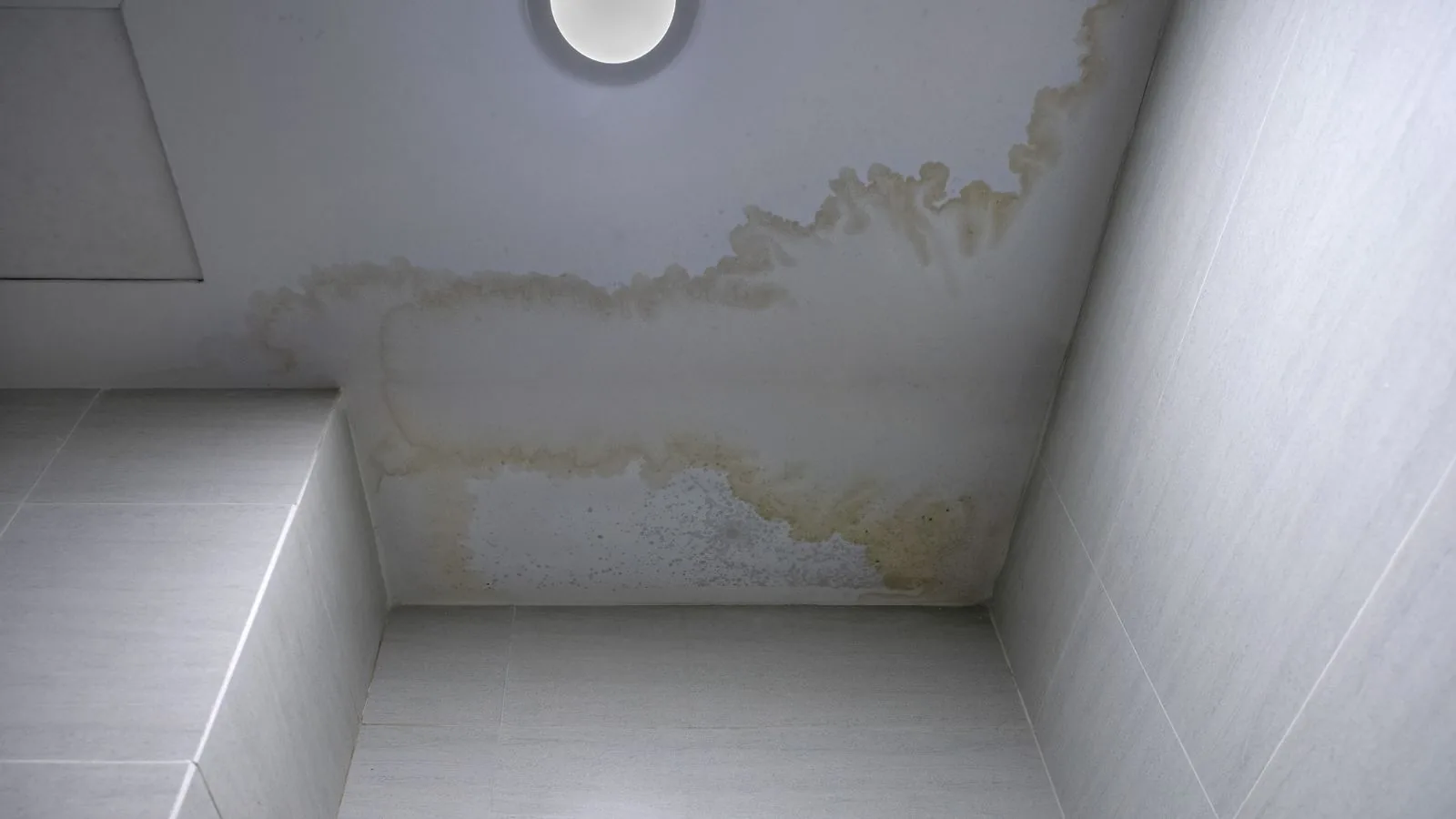
Filing a claim is mostly paperwork, and the paperwork starts before the water is gone. What you capture in the first hours often decides how quickly your insurer can evaluate the loss.
This guide is general. Your policy and your insurer set the actual rules, and nothing here promises that a claim will be approved.
Hour one: stop it, shoot it, call it
- Stop the water source or close the main valve.
- Take wide photos of each affected room, then close-ups of damage, labels and serial numbers.
- Take a short video walking through the rooms and narrating what you see.
- Call your insurer or agent and open the claim, or ask how to open it.
- Call a restoration company so drying begins while the claim moves forward.
Photos with the water still visible are worth more than photos after cleanup. If you must move items to prevent more damage, photograph them first and note where they were.
What an adjuster usually asks for
| Document | Why it helps | Who provides it |
|---|---|---|
| Photos and video | Show the condition before cleanup | You |
| Moisture readings | Show what was wet and how it dried | Restoration crew |
| Written scope of work | Lists what will be removed, dried and repaired | Restoration crew |
| Plumber or HVAC invoice | Names the cause of the leak | Trade contractor |
| Receipts | Show emergency costs and temporary housing | You |
| Inventory of damaged items | Supports a contents claim | You |
Keeping a claim file
Create one folder, paper or digital, for everything. Include the claim number, the adjuster name, dates of calls, photos, invoices and any emails. Note who said what and when.
If the insurer sends a request, answer it in writing and keep a copy. A short written record helps if there is a disagreement about what was said.
What a restoration company can and cannot do
A crew can document the loss, remove water, dry the structure and explain what readings show. A crew cannot decide whether your policy covers the loss or promise that your insurer will pay. Be cautious of anyone who says otherwise.
You may be asked to sign paperwork that lets the company talk to your insurer. Read it before you sign, and ask what it allows. Scope and price should be explained before work starts.
Mitigation duties and why they matter
Most policies expect you to take reasonable steps to prevent further damage after a loss. That includes shutting off water, removing standing water and starting drying. Failing to do so can give an insurer a reason to dispute part of a claim.
Keep receipts for emergency work, since those costs are often part of the claim. A restoration crew can give you an itemized record, along with moisture readings and photos that show what was done and when.
Talking to the adjuster
- Describe what you saw in plain terms and avoid guessing at causes you do not know.
- Walk the adjuster through each room, and point out damage that may not be obvious, such as swelling at baseboards.
- Share the moisture readings and scope from the restoration company.
- Ask what happens next and when to expect a decision.
- Take notes during the call and confirm key points by email afterward.
Adjusters are professionals handling many claims. A clear, organized file makes their work easier and tends to make the process smoother for you. If something is unclear, ask them to explain it in writing.
Contents versus structure
Claims usually split into two parts. The structure covers the building itself, such as walls, floors and built-in cabinets. Contents cover belongings such as furniture, clothing and electronics.
Each part has its own limits and its own documentation. Keep the inventory separate from the repair scope, and label photos so the adjuster can tell which is which.
A closing checklist
- Claim number and adjuster contact saved.
- Photos and video backed up.
- Moisture readings and scope received.
- Receipts in one folder.
- Inventory of contents complete.
- Repair contractor chosen and scope shared.
Checking this list before the adjuster visit keeps the process moving and prevents last-minute scrambles.
According to the Illinois Department of Insurance, a standard policy often excludes sewer backup and flood, so ask your insurer what applies before cleanup starts. This site gives general information only and does not decide coverage.
Local context for Downers Grove claims
The Illinois Department of Insurance notes that sewer backup and sump pump failure are typical homeowners exclusions that need an endorsement, and that floods need separate coverage. If your Downers Grove basement flooded in a storm, ask your insurer which cause they are evaluating.
The Village of Downers Grove stormwater staff can tell you whether your area is a mapped floodplain or a localized poor drainage area. That information may help when you describe the loss, but your insurer makes the coverage decision.
Disagreements and delays
If you disagree with an estimate, ask the adjuster to explain it line by line. Compare it with the written scope from your restoration company. Differences are often about materials, not about whether damage occurred.
The state insurance department handles consumer complaints, and its website explains the process. Do not rely on claim deadlines from this page, since policies differ. Ask your insurer about timing in writing.
Drying and rebuilding are different jobs
Insurers often treat emergency mitigation and permanent repair as separate parts of a claim. Drying and removal happen first, and rebuilding comes after readings show the structure is dry. See structural drying and dehumidification for how drying is measured and logged.
If your loss involves a ceiling or wall, the repair scope often includes drywall, texture and paint. Pages on wall and drywall water damage repair explain what that work includes.
Claims from nearby towns follow the same steps. Homeowners in Clarendon Hills and Darien use the same documents, although local offices and sewer districts differ.
Water in your home right now?
The Downers Grove line is open 24/7 for emergencies and questions.
Questions readers ask
What should a Downers Grove homeowner photograph before cleanup?
The source of the water, every wet room, damaged contents with labels, the water line on walls and any standing water. Add a short video walk-through, and keep the originals.
Do I call the insurer or the restoration company first?
Do both quickly. Start drying so damage does not grow, and open the claim so the insurer knows.
Can I throw away damaged items?
Photograph them first and ask your adjuster. Keep samples of flooring or drywall if the adjuster wants to see them.
Will my premium go up after a claim?
It can, depending on your insurer and history. Ask your agent before filing a small claim.
Who decides what is covered?
Your insurer, based on the policy. A restoration company documents the loss but does not decide coverage.