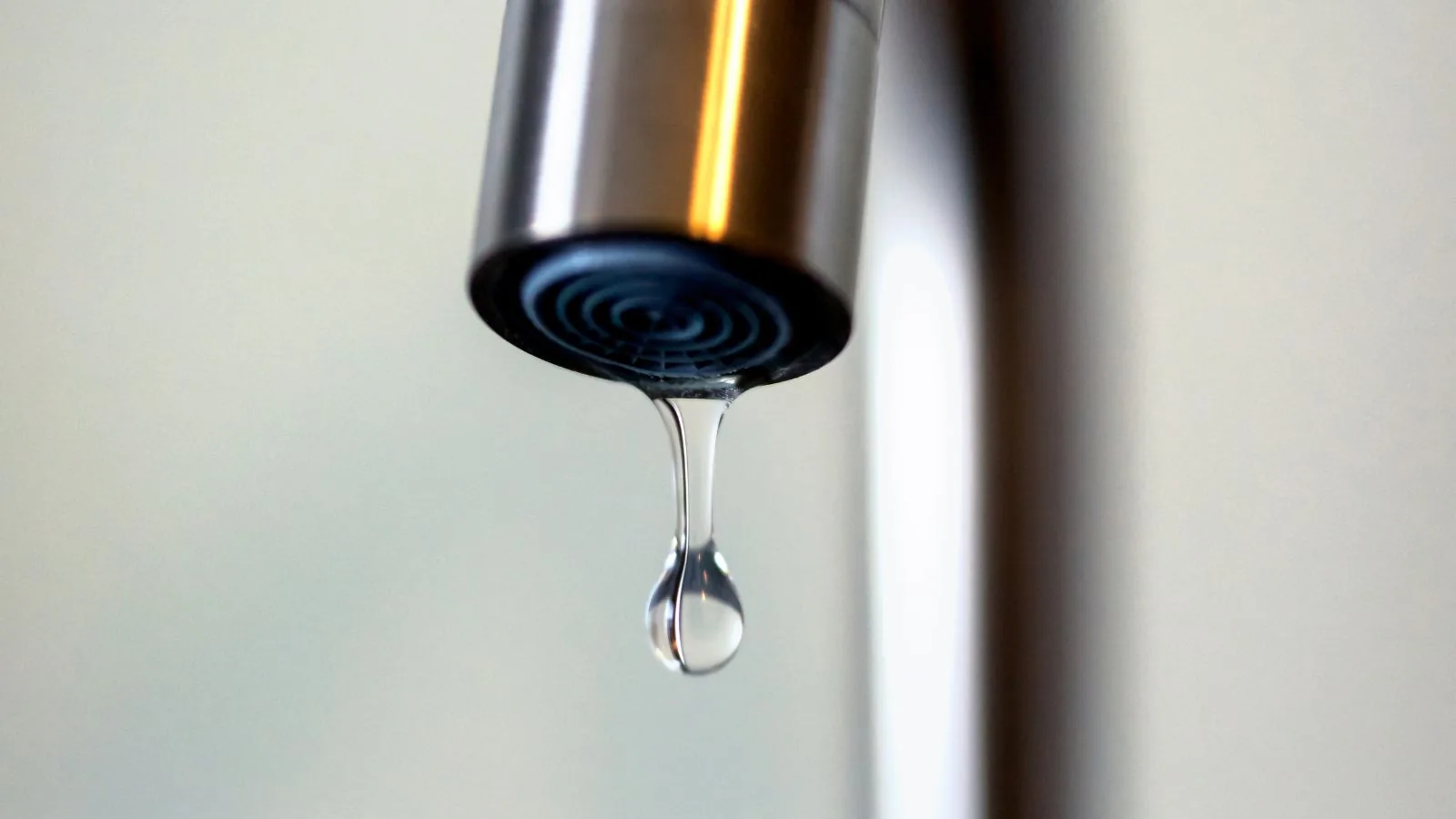
A kitchen leak rarely stays in one place. Water slips under the dishwasher, runs along the subfloor and wicks into the base of the cabinets. Call (630) 580-6401 if you see swelling at the toe kick, a soft spot in the floor or a smell from under the sink.
Where kitchen water hides
Swollen cabinet base
Particleboard swells when wet and rarely returns to shape.
Cupping or lifting floors
Laminate and hardwood react to moisture from below.
Musty smell under the sink
Slow supply or drain leaks often start here.
Bubbling paint near the floor
Wicking moisture in drywall can raise paint along the wall base.
Cabinets, floors and walls: what stays and what goes
| Material | Often dries in place if | Often replaced if |
|---|---|---|
| Solid wood cabinets | Caught quickly, base dries to range | Long exposure causes rot or mold growth |
| Particleboard cabinets | Rarely | Base swells or delaminates |
| Tile with grout | Surface only | Subfloor beneath is saturated |
| Hardwood floor | Boards flat, readings drop | Severe cupping, see hardwood floor water damage repair |
| Drywall behind cabinets | Clean water, short exposure | Soft, stained or contaminated |
A step-by-step drying plan for kitchens
- Shut off the water supply and unplug appliances only if the area is dry.
- Remove standing water and pull the dishwasher or fridge out if needed.
- Take toe kicks off and drill small holes in cabinet bases to let air reach the cavity.
- Measure moisture in cabinets, drywall, subfloor and flooring.
- Set air movers and dehumidifiers and check readings until dry.
Kitchens also tie into other rooms, so a leak under the kitchen can affect a basement ceiling below, as in ceiling water damage repair. Appliance causes are covered in appliance leak water damage.
Cost factors in kitchens
Cabinet material
Plywood and solid wood often dry, particleboard often does not.
Flooring type
Tile, vinyl, laminate and hardwood each behave differently.
Spread to adjoining rooms
Open floor plans pull water into dining and living areas.
Duration
Slow leaks cause more hidden damage than a quick overflow.
Rebuild scope
Countertops, cabinets and flooring are replaced by other trades.
Insurance note
Sudden kitchen leaks are often covered, while gradual seepage under a sink often is not. Read your policy or ask your insurer, and save the failed part if you can.
Kitchen leaks that start behind the wall
Not every kitchen leak shows on the floor. A pinhole in a copper supply line behind the sink or a loose connection on the dishwasher drain can wet the wall cavity for weeks. The first signs are often a stain on the wall, a musty smell in the cabinet, or a floor that feels slightly warm or soft.
Moisture meters and thermal cameras can see through paint and cabinet backs, so the crew can find the wet area without opening the whole wall. Small inspection holes are often enough.
What to do before a kitchen job starts
- Empty the cabinets under the sink and next to the appliance.
- Move rugs and small furniture out of the room.
- Take photos of the cabinets, the floor and the wall.
- Shut off the water to the sink or dishwasher at the supply valve.
- Note any odors, noises or recent plumbing work.
Emptying cabinets lets air reach the interior and lets the crew see the base. Keep dishes and food in a dry space until the area is cleared.
Kitchens in older Downers Grove homes
Houses built in the mid twentieth century often have original supply lines, sinks installed over plywood subfloors and linoleum under newer flooring. Each layer can hold water. Readings on both the top layer and the subfloor tell the crew whether drying in place is possible.
Open kitchens and shared floors
Many kitchens open into dining rooms and family rooms with one continuous floor. Water that starts at the sink can travel under that floor into the next room, so readings are taken well beyond the visible wet area. Skipping that step is how a second stain appears weeks later.
Ask your plumber to leave the old part and note the cause on the invoice. That small record explains how long the leak likely ran.
Professional drying follows ANSI/IICRC S500, the published standard for water damage restoration. In a kitchen, the standard matters most for cabinet bases and the subfloor under the dishwasher.
Kitchen floor or cabinets wet?
Call and we will explain what readings suggest.
Crews serve kitchens in Willowbrook and Oak Brook as well as Downers Grove.
Frequently asked questions
Can kitchen cabinets be saved after water damage?
Sometimes. Solid wood and plywood often dry in place, while particleboard often swells and needs replacement.
Do I need to pull out the dishwasher?
Often yes, because water collects under and behind it. Crews can move it safely.
Will the water cause mold under the cabinets?
It can if materials stay damp, which is why quick drying matters. Testing is done only when signs appear.
Should I call a plumber or a restoration company?
Both. A plumber repairs the line and our crew handles the water and the structure.
Can the floor dry without removal?
Tile and some hard floors can, depending on moisture under them. Readings guide the call.
Do you remove and reset countertops?
No. Countertop work is done by a separate trade, but we can tell you when readings suggest it is needed.