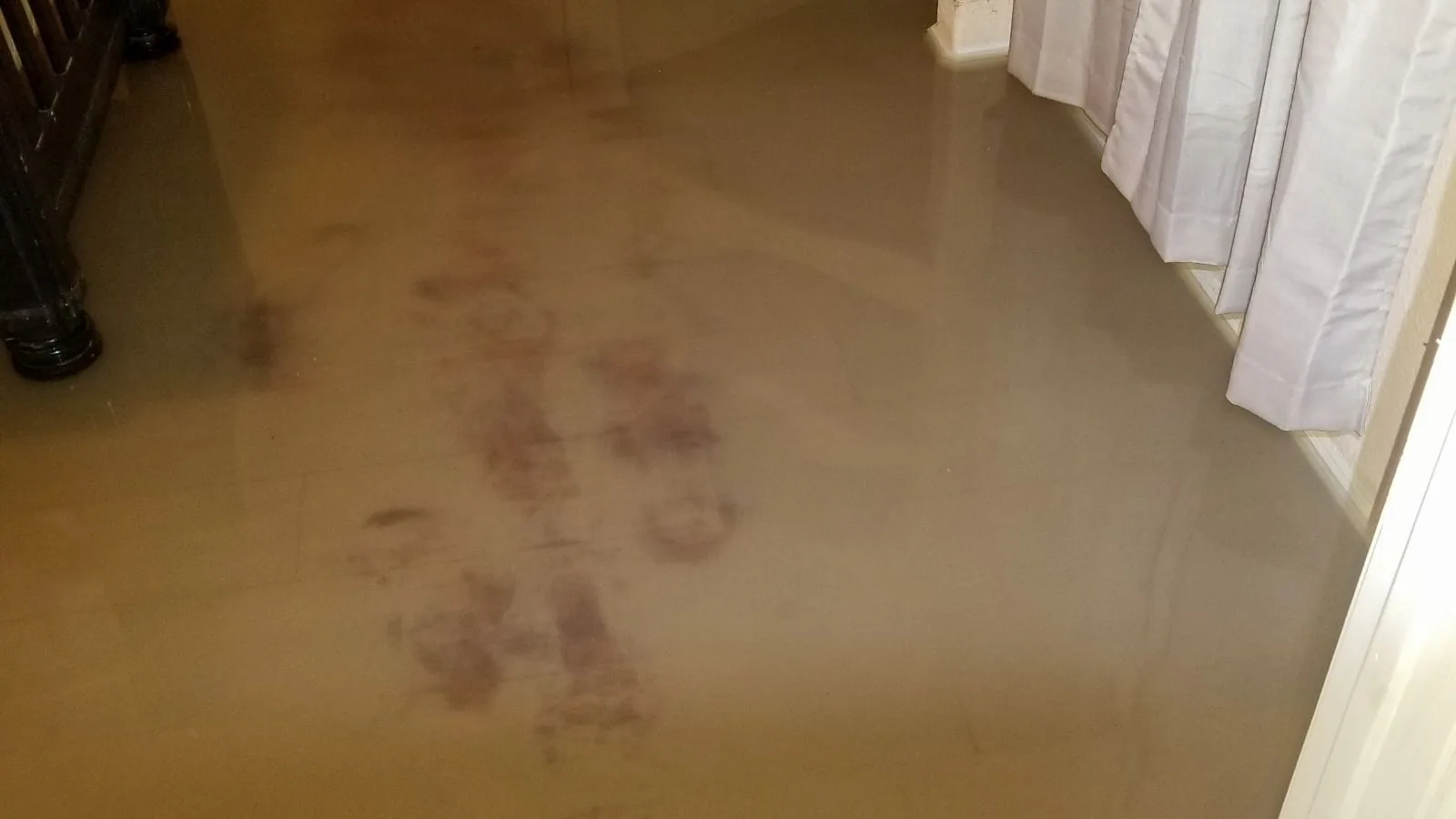
After a leak or flood, the pile of wet belongings can feel overwhelming. A simple framework makes the sorting faster and keeps you from throwing away things that can be saved or keeping things that cannot.
This is general guidance. Photograph everything before you discard it, and ask your insurer what they need to see.
Step one: the water type sets the rules
| Water type | Examples | General approach |
|---|---|---|
| Clean (category 1) | Supply line, rain through a roof, appliance supply | Many items can be dried and cleaned |
| Gray (category 2) | Washing machine or dishwasher discharge | Hard items cleaned, porous items often discarded |
| Black (category 3) | Sewage, flood water, long-standing water | Porous items discarded, hard items cleaned and disinfected |
ANSI/IICRC S500 describes these categories, and water can move to a worse category with time and contact. Clean water that sat for days is no longer clean.
Step two: the material decides what can be saved
| Item | Clean water | Contaminated water |
|---|---|---|
| Solid wood furniture | Often saved if dried | Cleaned or discarded |
| Upholstered furniture | Sometimes dried and cleaned | Usually discarded |
| Mattresses and pillows | Often discarded after soaking | Discarded |
| Clothing and linens | Washable items laundered | Laundered at high heat or discarded |
| Books and papers | Frozen or dried if caught fast | Usually discarded |
| Glass, metal, sealed plastic | Cleaned and kept | Cleaned and disinfected |
| Cardboard boxes | Discarded | Discarded |
Step three: time
Within a day, many clean-water items can be saved. After two or three days, odor and mold risk climb quickly, and soft items become hard to restore. Speed counts, even if you cannot do everything at once.
If you cannot sort right away, move salvageable items to a dry room and open boxes so air reaches the contents. Do not stack wet items in closed bags, which traps moisture.
What to photograph before discarding
- Each item or group of items, with labels or serial numbers visible.
- Any receipts or records you can find.
- The room before and after sorting.
- The water line on walls and furniture.
Write a simple inventory with a short description, age and estimated value. Insurers often ask for it, and it is easier to prepare while the items are in front of you.
Cleaning what you keep
Hard items that touched clean water can be washed with detergent and warm water, rinsed and dried. Items that touched contaminated water need a disinfecting step after cleaning, using a product made for that purpose and following its label.
Wear gloves and eye protection, ventilate the room and do not mix cleaning products. Dry items completely before storing them, since a damp box in a closet is where mold often starts.
Handling the disposal
- Bag wet soft items before carrying them through clean rooms.
- Check with your waste hauler about bulk pickup rules for furniture and carpet.
- Keep photos and a list before items leave the house.
- Store anything the adjuster wants to inspect in a dry place.
- Separate hazardous items such as paint and chemicals for proper disposal.
Big cleanouts generate a lot of material at once. Ask your hauler about dumpsters or special pickups, and plan for them before the pile grows.
Kitchen, bath and bedroom: room by room
- Kitchen: discard food that touched flood or sewage water, clean pots and dishes by washing and sanitizing.
- Bathroom: discard cosmetics and medications that touched contaminated water, clean tile and fixtures.
- Bedroom: discard mattresses and pillows that were soaked, launder clothes that can be washed.
- Living room: clean solid wood, discard upholstery that stayed wet or touched contaminated water.
- Basement: sort storage by material, and move salvageable items upstairs to dry.
Working room by room keeps the job from feeling endless. Finish one space, photograph the result, then move to the next.
Emotional items and tough calls
Some items are hard to let go of even when they cannot be saved. Photograph them, write a short note about why they mattered and keep a small piece if that helps, such as a label or a single page.
Ask a friend or family member to help with the sorting. A second pair of hands speeds the work and makes the hard decisions easier. Take breaks, since a wet-room cleanout is tiring.
Documenting your inventory for a claim
A simple spreadsheet or notebook is enough. List the item, the room, its age, what you paid if you remember, and its condition after the loss. Add a photo reference number to each line. Insurers often ask for this list, and it takes much less time when it is built as you sort.
Flood history and what it means for sorting
The Village of Downers Grove has described the April 18, 2013 storm, which brought 6.7 inches of rain in 24 hours, as one of several heavy-rain flood events in recent decades. Basements in low-lying areas took on water, and flood water is treated as contaminated.
If water in your home came from a storm like that, treat porous belongings as likely to be discarded and photograph them first. The flood damage restoration page explains how a crew handles contaminated contents.
Items that need extra care
- Electronics should not be turned on while wet.
- Medications and food that touched flood water are discarded.
- Family photos and documents can often be frozen and treated later.
- Antiques and artwork are best left to a conservator.
Crews from the Downers Grove area also help families in Oak Brook and Willowbrook sort contents, and they can explain which pieces are worth professional cleaning. Floors, pad and drywall are covered on carpet water damage restoration and the related pages.
Water in your home right now?
The Downers Grove line is open 24/7 for emergencies and questions.
Questions readers ask
Do Downers Grove homeowners need to keep wet items for the adjuster?
Ask your adjuster. Often photos and an inventory are enough, but keep samples of flooring or large items until the adjuster says otherwise.
Can a wet mattress be saved?
Rarely. Mattresses hold water and are hard to dry, so they are usually discarded after a soaking.
Can I wash clothes that touched flood water?
Often yes, at a high temperature with detergent, though heavily contaminated items are better discarded.
What about food and medicine?
Discard food that touched flood or sewage water. Ask a pharmacist about medicine.
Do I need to throw away wood furniture?
Not always. Solid wood can often be cleaned and dried, but veneer and particleboard often fail.