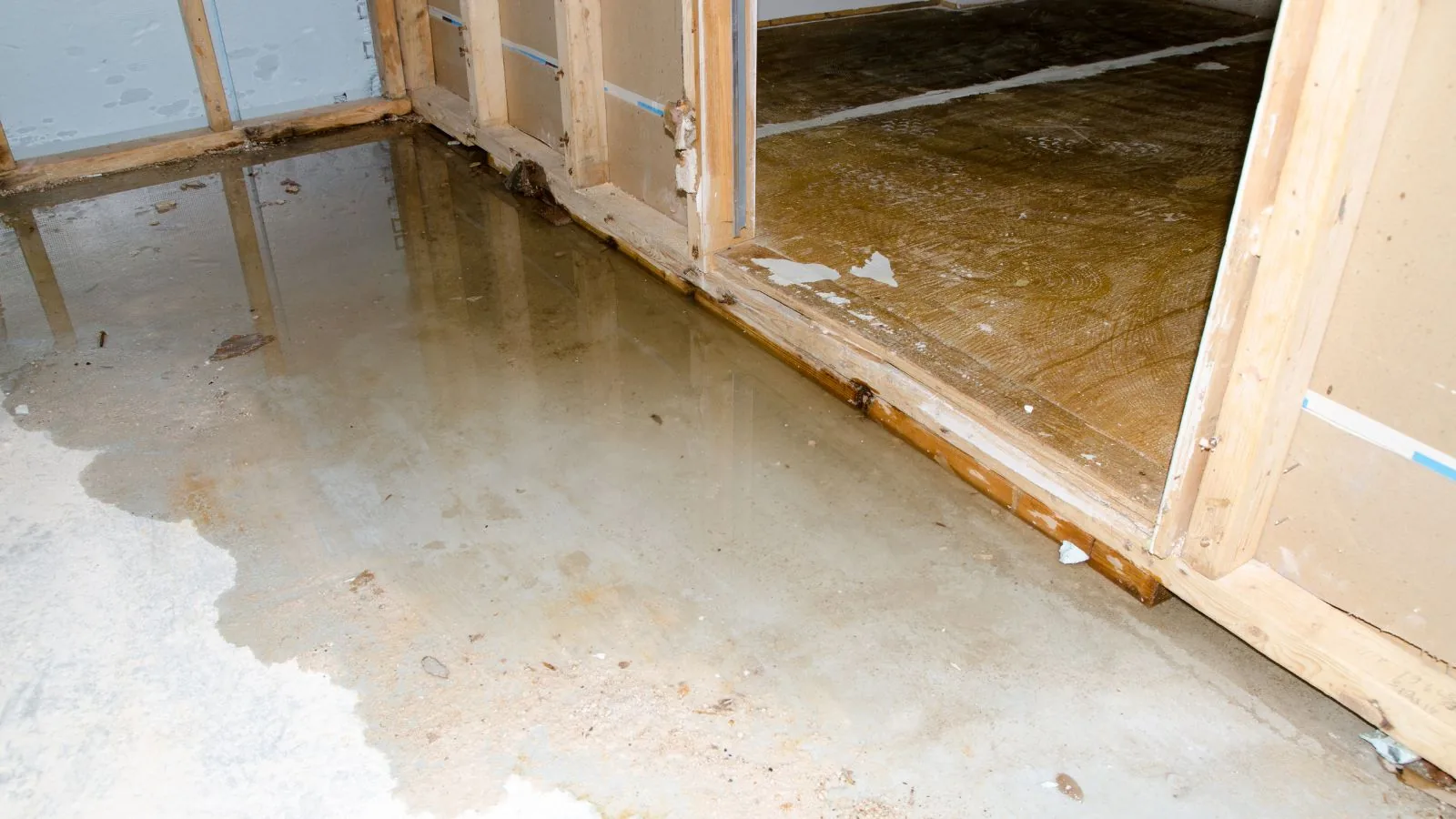
Homeowners often ask for a price on the phone and get an answer that starts with it depends. That answer is honest, since no one can price a water loss without knowing what is wet and why.
This article explains the main factors, how to read an estimate and what to ask. It does not quote prices.
The five factors that move the number
Water category
Clean, gray and black water follow different procedures, and contaminated water adds protective steps and disposal.
Area and depth
More square feet and deeper water mean more equipment time.
Materials involved
Carpet, pad, drywall, wood and insulation each respond differently.
Drying days and equipment
Wet framing and concrete need more days than surface moisture.
Rebuild scope
Repairs and replacement are scoped after the structure is dry.
Why two quotes differ
| Difference | What it often means | What to ask |
|---|---|---|
| One quote includes tear-out, one does not | Different scopes | What is removed and what is dried in place? |
| Different equipment counts | Different assumptions about volume | How did you calculate the units? |
| One assumes clean water | Different category | What water category are you assuming? |
| One includes rebuild | Different phases | Is rebuild a separate phase? |
| Different drying days | Different expectations | How will you decide the job is done? |
Ask each company to put its assumptions in writing. A fair comparison needs the same scope on both pages.
Estimate versus invoice
A water loss often changes as walls open. A scope may start with the visible areas and expand when readings show moisture in a wall or ceiling cavity. Good companies explain this up front and report changes before doing the work.
Ask what triggers a change, who approves it and how the new number is documented. That clarity prevents arguments later.
Insurance and the estimate
If you file a claim, your insurer may review the estimate and may use its own pricing. Differences between the two can happen. Keep moisture readings, photos and notes, since they support the scope.
Neither a restoration company nor this article can promise what an insurer will pay. See the water extraction and structural drying and dehumidification pages for what those two phases include.
How to compare two scopes side by side
- Put both scopes on one page, and list rooms in the same order.
- Mark which materials each plans to remove and which to dry in place.
- Compare equipment types and counts, and ask how each was sized.
- Check how each handles contents, disposal and monitoring.
- Note what each excludes, and ask who covers it.
Once the two documents line up, price differences usually explain themselves. If they do not, ask each company to explain the gap in writing.
Payment and paperwork
Ask how payment works, whether a deposit is required and when invoices are due. If an insurer is involved, ask how the company handles direct communication and what happens if the insurer pays less than the invoice.
Get everything in writing, including start dates and who to call with questions. Keep a copy of the signed documents and your photos in the same folder.
What a deposit and a payment schedule look like
Some companies ask for a deposit before starting. Others invoice at the end of each phase. Ask which model applies, and what happens if the scope changes.
Keep a record of every payment and receipt. If an insurer is involved, ask whether they will pay you or the company directly, and when. Clear expectations on timing avoid stress when invoices arrive.
Time as a cost factor
Equipment rental, labor hours and days of monitoring all depend on time. Fast action often reduces total scope because less material becomes damaged. Waiting to compare many quotes can cost more than starting drying and comparing later phases.
What you can do to help the estimate
Before the visit, clear access to affected rooms, write down when you first saw the water and gather photos. Have the plumber or HVAC invoice ready if one exists.
During the visit, walk the rooms with the technician and point out anything unusual. After the visit, ask for readings and a written scope. A well-prepared homeowner usually gets a clearer, more accurate estimate.
Why a phone number is only a starting point
A dispatcher can explain the process and send a crew, but the scope depends on what readings show on site. Companies that quote a firm price without seeing the loss are guessing. Companies that explain the factors and promise to confirm scope and price before work starts are being honest about how restoration works.
Professional scopes are usually written around ANSI/IICRC S500, the published standard for water damage restoration. Ask whether a line item in an estimate ties to a measured moisture reading.
Local rules that can add to a project
In Downers Grove, the Village Community Development Department, Building Division, handles plan review and inspections for electrical, mechanical, plumbing and building work. If your repair includes those trades, ask whether permits apply, since they can add cost and time to the rebuild phase.
Permit rules vary by project, so ask the Village before you finalize a scope. The restoration phase itself, extraction and drying, is usually separate from permitted work.
Red flags in an estimate
- A price with no scope or room list.
- Pressure to sign immediately before anyone has seen the loss.
- No mention of moisture readings or monitoring.
- No explanation of what is excluded.
- Claims that the insurer will pay everything.
Estimates for homes in Oak Brook and Willowbrook follow the same logic. The factors do not change by zip code, although building age and layout do.
Water in your home right now?
The Downers Grove line is open 24/7 for emergencies and questions.
Questions readers ask
Can a Downers Grove water damage company give an exact price over the phone?
Not reliably. A dispatcher can explain the process and the factors, but exact scope depends on readings taken on site.
Why did the estimate change after the walls were opened?
Readings can show moisture in cavities that were not visible. Ask for the change in writing with photos.
Is the cheapest quote the best?
Not always. Check that the scope, equipment and monitoring are comparable.
Do I pay for drying even if the insurer pays?
Insurers handle payment differently. Ask yours how they pay and what they need.
Should I get more than one quote?
For larger projects, yes. For emergencies, start drying now and compare later phases.