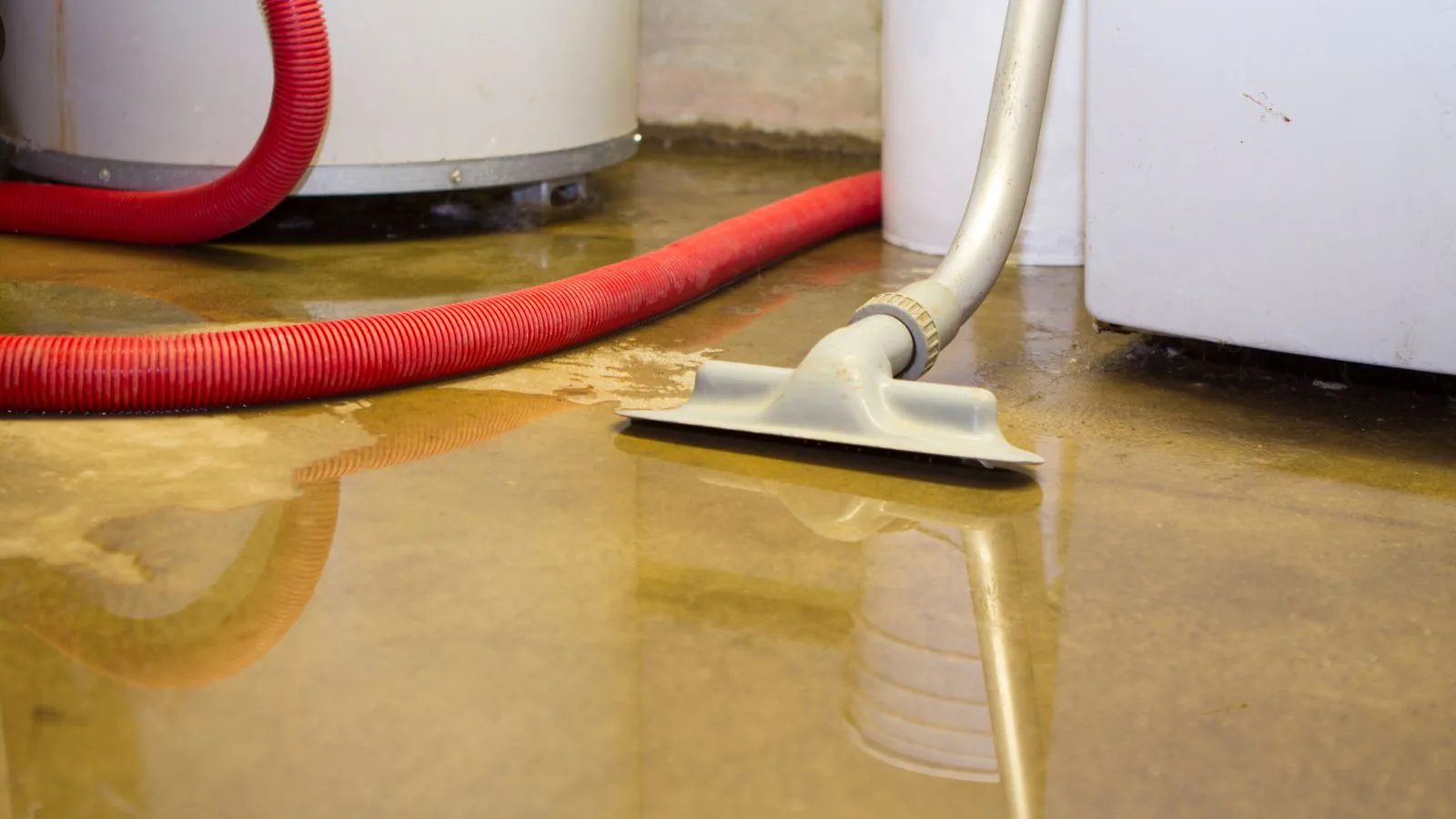
A rental water event involves at least two parties and often an insurer for each. Delay on either side can make the damage worse and the dispute bigger.
This is general information, not legal advice. Your lease and local law set the rules, so read the lease first.
First steps for tenants
- Stop the water if you can safely do so, and move belongings out of the wet area.
- Photograph and video the damage and your belongings.
- Notify the landlord or property manager right away, by phone and in writing.
- Ask what emergency number to use and whether the landlord has a restoration vendor.
- Call your renters insurer if you have a policy.
- Keep receipts for hotel stays and replacement items.
Written notice with a timestamp protects you if there is a dispute. Email or text works if the lease allows it.
First steps for landlords and property managers
- Confirm the water is stopped and the unit is safe.
- Call a restoration company to extract and start drying.
- Notify your property insurer and neighboring tenants if needed.
- Document the damage and cause with photos and invoices.
- Communicate with the tenant about access, timelines and temporary housing.
Fast drying lowers cost and limits mold risk, which helps both sides. Multi-unit buildings add complexity because water can move to other units. See commercial water damage restoration for how multi-unit buildings are handled.
Who is responsible for what
| Item | Usually the landlord | Usually the tenant |
|---|---|---|
| Building structure and plumbing | Yes | No |
| Repairs after a pipe failure | Yes | No |
| Tenant belongings | No | Yes, often through renters insurance |
| Damage caused by tenant negligence | Depends | Possibly |
| Prompt notice of damage | Receives it | Gives it |
Responsibilities depend on the lease and on local law, so read both. When in doubt, consult a lawyer or a tenant resource.
Documenting the unit before and after
Tenants should keep move-in photos, if they have them, and take new photos of every affected room. Landlords should keep inspection records and maintenance logs for plumbing, water heaters and appliances.
These records show the condition before the loss and help sort out cause. They also help when the question is whether damage came from normal wear, a failed part or tenant action.
Communication that prevents disputes
- Use written messages and keep copies.
- Be specific about dates, times and what was damaged.
- Ask for timelines and confirm them.
- Share photos and reports with the other party.
- Stay calm and factual, since a dispute can take longer than the repair.
A short, clear message often resolves what a long argument cannot. Most landlords and tenants want the same thing, which is a dry, safe unit as soon as possible.
Mold and air quality complaints
Tenants sometimes notice a musty smell weeks after a leak. Report it right away and in writing, since mold needs moisture, and moisture can still be present. Landlords should respond with an inspection and drying if needed.
Neither side should paint over or cover an issue. If mold is found, remediation should follow the published S520 approach, and health questions belong to a physician.
Ending a tenancy after a major loss
If a unit is uninhabitable for a long time, the lease and local law may allow different options. Ask a lawyer or a local tenant resource. Keep records of all communication, and ask the landlord to confirm decisions in writing.
Keeping the peace during repairs
Drying equipment is loud and repairs take access. Agree on a schedule for entry, noise and cleanup. Ask the crew to explain what each machine does so tenants know what to expect.
When everyone knows the plan, the repair goes faster and the relationship survives it. Share updates as they happen instead of waiting for questions.
Short checklist for property managers
- Know where each unit shutoff and the building main are.
- Keep a list of emergency contacts and vendors.
- Post instructions for tenants on reporting water.
- Review insurance for both building and common areas.
- Document the cause and the repair for every event.
What to do before help arrives
- Stop the water if you can and tell the landlord or property manager at once.
- Take dated photos and keep copies of every message.
- Keep away from wet outlets and ceilings that sag.
Local offices for rental questions
The Village of Downers Grove Community Development Department, Building Division, lists code enforcement among its services. If a rental has unsafe conditions, such as active leaks or sewage, ask the Village whether a complaint to code enforcement fits your situation.
For sewer backups, the Downers Grove Sanitary District serves most of the village and can address public main blockages. Landlords should check which district serves a building, since several districts serve neighboring towns.
Renters insurance and landlord insurance
Renters insurance usually covers your belongings, not the building. A landlord policy covers the building but not tenant property. Read both and ask the insurer what applies to your case.
If a sewer backup or sump failure is the cause, endorsements may be needed on the landlord side. The Illinois Department of Insurance notes that these are typical exclusions in standard homeowners policies, and commercial policies can differ.
Moving out and deposits
If the unit is uninhabitable during repairs, ask in writing about rent adjustments, temporary housing and the timeline. Keep copies of every message.
Drying can take days to weeks, depending on the materials. Ask the restoration company for a realistic schedule, and share it with the other party. Rentals in Clarendon Hills and Willowbrook follow the same logic, and water extraction is typically the first step.
Water in your home right now?
The Downers Grove line is open 24/7 for emergencies and questions.
Questions readers ask
Who do I call first if my Downers Grove rental floods?
Call your landlord or property manager right away, and your renters insurer if you have a policy. Follow up in writing.
Can a tenant hire a restoration company?
Check the lease and ask the landlord first. Many landlords prefer to arrange it so insurance and access are coordinated.
Does renters insurance cover the building?
No, it usually covers your belongings and living expenses. The landlord's policy covers the building.
What if the landlord does not respond?
Keep written records and consult a tenant resource or a lawyer about options.
Who pays for damage caused by a tenant's appliance?
It depends on the lease, the cause and local law. Document the cause and ask an attorney if unclear.